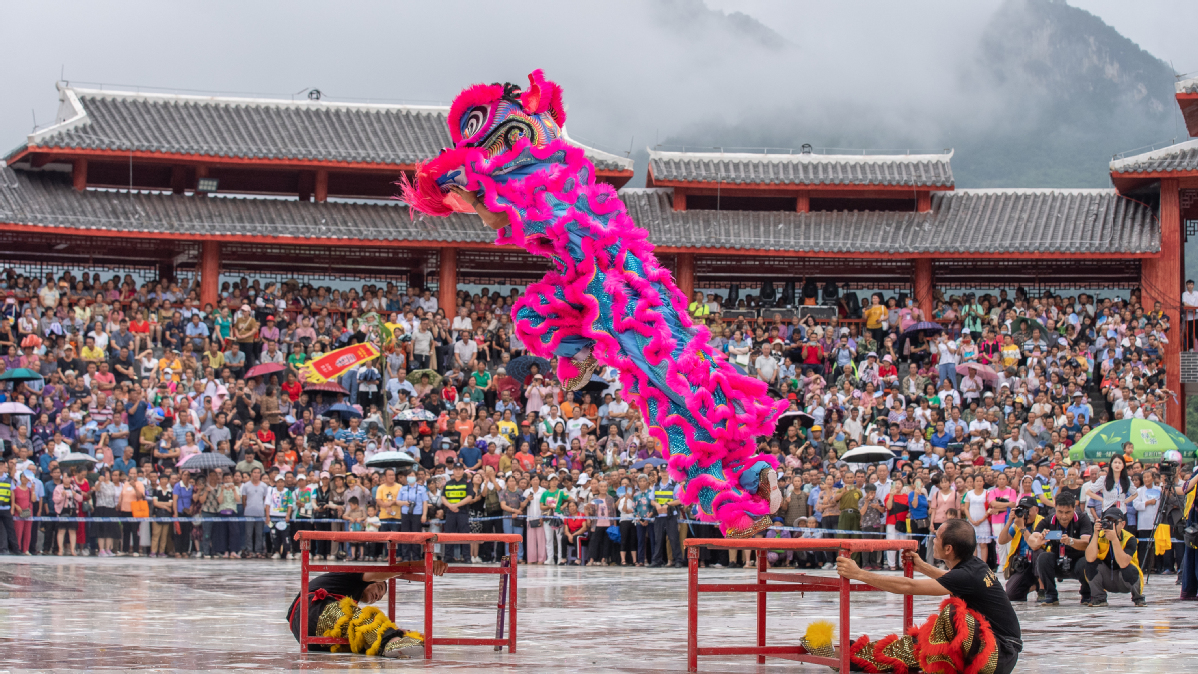
Fenlong Festival
Introduction
The Fenlong Festival is a traditional folk festival celebrated in various regions of China, primarily associated with the agricultural calendar and water-related customs. This culturally rich event is observed by several ethnic groups, including the Han, Maonan, and She people, reflecting a deep reverence for nature and water deities. Though its specific practices vary across regions, the Fenlong Festival consistently revolves around themes of rainfall, prosperity, and communal harmony.
Historical Background
The origins of the Fenlong Festival are deeply rooted in ancient Chinese agricultural society, where rain was a critical factor for successful harvests. The term "Fenlong" can be translated as "Dragon Division", symbolizing the division of responsibilities among dragons that govern water and rain in Chinese mythology. These mythical creatures were traditionally believed to control rainfall, rivers, and other water-related phenomena.
For centuries, communities in both northern and southern China have observed the festival to pray for favorable weather conditions and express gratitude for water's life-sustaining power. Over time, the festival evolved into a vibrant celebration that encompasses prayers, rituals, and performances, reflecting the diverse cultural tapestry of the regions where it is practiced.
Key Features
• Connection to Agriculture: Rooted in agricultural traditions, the Fenlong Festival continues to highlight the importance of harmonious relationships between humans and nature.
• Diverse Rituals: From dragon boat races to fire safety drills, the festival showcases a wide range of activities tied to local customs.
• Cultural Preservation: The celebration is a living archive of ethnic traditions, helping to preserve and promote intangible cultural heritage.
• Community Participation: The festival fosters community bonds and provides a platform for cultural exchange, uniting people in shared celebrations of life, nature, and heritage.
Regional Variations
The Fenlong Festival exhibits considerable variation in its rituals and activities depending on the region and the ethnic group. Common practices include:
• Rain Prayers and Sacrifices: In some areas, villagers conduct ceremonies to honor the Dragon King, seeking blessings for abundant rainfall and protection from droughts or floods. Offerings such as food, incense, and symbolic objects are made to the deity.
• Fire Drills and Rituals: Certain communities incorporate fire drills as part of the celebration, symbolizing purification and disaster prevention. These activities serve as both cultural rituals and practical exercises for fire safety.
• Traditional Performances: Theatrical plays, folk dances, and masked performances, such as nuo dance, are performed to ward off evil spirits and invoke divine blessings. These performances also celebrate the region's artistic heritage.
• Dragon Boat Races: In regions with abundant waterways, dragon boat races are a significant highlight. These races foster community spirit and symbolize the collective effort required to manage water resources effectively.
Ethnic and Cultural Significance
The Fenlong Festival holds special importance for China's ethnic groups, such as the Maonan and She people. For these communities, the festival is not just an agricultural event but a key occasion to showcase their unique traditions and strengthen their cultural identity.
For example, in the Maonan autonomous county in Huanjiang, Guangxi province, the festival serves as a vibrant display of Maonan customs. Traditional songs, handicrafts, and culinary specialties are integral to the celebration, offering insights into the cultural richness of the community.








